


Tel: +86-131-8042-1118
E-mail:
E-mail:
26 Huanghai Road, Leting Economic Development Zone, Hebei Province, China


Views: 0 Author: Site Editor Publish Time: 2026-04-14 Origin: Site


Scaffolding plays a crucial role in construction projects by providing temporary structures that allow workers to safely access heights and support the weight of materials and tools. It is essential for tasks such as building, maintenance, and repair work, enabling workers to complete jobs efficiently while minimizing the risk of accidents. Scaffolding fittings, which include components like couplers, base plates, and braces, are the fundamental parts that connect and stabilize the scaffolding system. These fittings ensure that the scaffold remains structurally sound and can withstand the stresses and loads placed on it. Their role in maintaining the overall safety and integrity of the scaffold cannot be overstated, as they help to prevent collapses, ensure proper alignment, and support workers during high-risk tasks. By choosing the right scaffolding fittings, construction professionals can create safe and reliable working environments.
Couplers are essential fittings that connect scaffolding components, such as tubes or poles, securely. They come in various types, including:
Fixed Couplers: Used to join scaffolding tubes at a 90-degree angle, ensuring a rigid connection.
Swivel Couplers: Allow for flexibility by connecting tubes at any angle, making them ideal for creating a variety of scaffold configurations.
Sleeve Couplers: Designed to join two scaffold tubes end-to-end, providing a simple, strong connection without changing the angle.
Base plates are flat, heavy-duty fittings that sit at the bottom of scaffold poles, providing a stable foundation. These plates distribute the weight of the scaffold evenly across the ground, reducing the risk of collapse or instability. They help prevent damage to the surface beneath and ensure that scaffolding remains upright even on uneven ground.
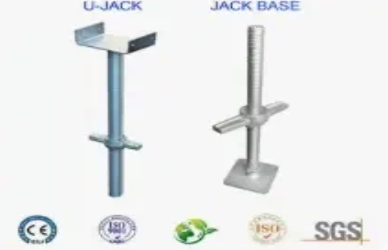
U-heads and base jacks are used to adjust and level scaffolding systems.
U-heads: These fittings are placed at the top of the scaffolding poles to secure the horizontal members in place, often providing a platform for other components to sit on.
Base Jacks: Positioned at the bottom of the scaffolding poles, base jacks are adjustable to level scaffolding on uneven terrain. They allow for precise height adjustments and stability, ensuring that the entire structure remains safe and level.
Braces are essential components that provide additional support and rigidity to scaffolding systems. They come in two main types:
Diagonal Braces: These are used to strengthen the scaffold by connecting opposite corners or sections, reducing lateral movement.
Horizontal Braces: Installed horizontally between vertical scaffold members, these braces help keep the structure aligned and prevent shifting during use. Both types of braces work together to enhance the overall strength and stability of the scaffolding system.
Scaffolding fittings play a pivotal role in construction sites by ensuring the safety and stability of scaffolds during both building and maintenance activities. These fittings connect and secure scaffolding components, allowing workers to access elevated areas safely. With proper scaffolding systems, workers can perform tasks at great heights, such as installing windows, roofing, or external cladding, without compromising safety. The right fittings guarantee that scaffolds remain stable under the dynamic conditions of a construction environment, where heavy machinery, shifting materials, and worker movement are constant.
Scaffolding fittings are designed to support the weight of workers, tools, and materials used during construction and repair work. This includes the lifting of heavy items such as bricks, steel beams, and machinery. Strong couplers, base plates, and braces are critical in ensuring that scaffolds remain secure and capable of bearing these loads without shifting or collapsing. Proper fitting selection and maintenance prevent potential accidents, allowing for safe material handling and worker mobility on the scaffolding.
In building repairs and renovations, scaffolding fittings provide essential support for safe access to high or difficult-to-reach areas. These fittings allow scaffolds to be adjusted for uneven ground, ensuring that workers can safely reach areas such as roofs, facades, or upper floors. Whether it's restoring a historical building or performing structural repairs, scaffolding provides a secure platform for workers to complete their tasks with minimal risk. The versatility and reliability of scaffolding fittings make them indispensable for projects that require careful and precise access to elevated areas.
The material quality of scaffolding fittings is crucial for their performance and durability. The two most commonly used materials are steel and aluminum.
Steel: Known for its strength and durability, steel scaffolding fittings are ideal for heavy-duty applications where high load-bearing capacity is required. Steel is also highly resistant to wear and tear, making it suitable for long-term use in harsh construction environments.
Aluminum: While lighter than steel, aluminum fittings offer good corrosion resistance and are often used in applications where weight reduction is important. Aluminum is also more resistant to rust and deterioration over time, making it suitable for projects in damp or coastal areas. However, aluminum fittings generally have a lower load-bearing capacity compared to steel, so it's important to choose the right material based on the specific needs of your project.
It’s essential to ensure that the scaffolding fittings can support the weight of workers, tools, and materials that will be placed on the scaffold. Fittings with a high load-bearing capacity are crucial for maintaining the structural integrity of the scaffold, especially when working at height or with heavy construction materials. Before selecting fittings, always check their specifications to ensure they meet the required strength standards for the project. Failure to select fittings with adequate load capacity can result in dangerous scaffold collapses, leading to potential injuries or fatalities.
When selecting scaffolding fittings, compatibility with your existing scaffolding system is a key factor. Fittings must align with the size, type, and design of the scaffold tubes, as well as the overall structure. Using the wrong type of fitting, such as a coupler that doesn't match the tube diameter, can lead to loose connections and reduced stability. Ensure that the fittings are compatible with other components of your scaffolding system, whether it’s a traditional tube-and-clamp system or more modern modular scaffolding systems. Choosing fittings from the same manufacturer or product line can help maintain compatibility and reduce the risk of safety issues.
Regular inspections of scaffolding fittings are essential to ensure the safety and stability of the entire scaffolding system. Check for signs of wear, corrosion, cracks, or any form of damage that could compromise the integrity of the fittings. This includes examining couplers, base plates, braces, and other components for any deformations or weakened parts. Inspections should be conducted frequently, especially in high-use environments or when scaffolding is exposed to harsh weather conditions. Any damaged or worn fittings should be replaced immediately to prevent accidents or scaffold failure.
Proper storage and handling of scaffolding fittings are crucial for their longevity and continued safe use. Store fittings in a dry, clean environment to prevent rust or corrosion, especially for steel components. Avoid storing fittings directly on the ground, as moisture or dirt can cause deterioration. When handling scaffolding fittings, ensure they are lifted correctly and not dropped, as impact damage can weaken the structure. Proper care during transportation, installation, and removal can help maintain the integrity of the fittings, reducing the risk of accidents and ensuring they remain safe for use over time. Additionally, keep fittings organized and easily accessible to ensure efficient and safe operations on site.
Scaffolding fittings connect and stabilize scaffolds, ensuring safe work environments at heights during construction projects. These fittings provide essential structural integrity by securing the various components of the scaffold, such as tubes and poles. Without proper fittings, scaffolds may become unstable, posing significant risks to workers.
Common fittings include couplers (fixed, swivel), base plates, U-heads, and braces. Couplers are used to join scaffolding tubes at different angles, while base plates provide a stable foundation. U-heads and base jacks are essential for adjusting and leveling the scaffold, and braces (diagonal or horizontal) enhance the overall stability and strength of the scaffold system.
When selecting scaffolding fittings, it’s important to consider the material durability, load-bearing capacity, and compatibility with your scaffolding system. Steel fittings are suitable for heavy-duty applications, while aluminum fittings offer lightweight and corrosion-resistant options. Ensure the fittings match the specific requirements of your scaffold and the work environment to guarantee safety and reliability.
Scaffolding fittings should be inspected regularly for wear and tear, with checks at least every few weeks, especially in active construction environments. Inspections should focus on identifying any signs of corrosion, cracks, or deformation. Fittings that show any signs of damage should be immediately replaced to prevent accidents or scaffold failure. Regular maintenance helps extend the life of the fittings and ensures ongoing safety on site.
In conclusion, choosing the right scaffolding fittings is essential for the success and safety of any construction project. At Huabei Yiande Scaffolding Manufacture Co., Ltd., we understand that these fittings are the backbone of scaffolding systems, ensuring stability, load-bearing capacity, and overall structural integrity. By selecting high-quality materials, ensuring compatibility, and considering the load-bearing capacity of the fittings, you can avoid potential hazards and ensure that the scaffold performs efficiently under demanding conditions. Regular maintenance and careful handling of fittings further enhance their longevity and safety. Therefore, always prioritize the correct fitting selection to create secure, reliable scaffolding that supports both the workers and the materials involved. Make sure to invest in quality scaffolding fittings from Yiande to safeguard your project and contribute to a safe working environment.


