


Tel: +86-131-8042-1118
E-mail:
E-mail:
26 Huanghai Road, Leting Economic Development Zone, Hebei Province, China


Views: 0 Author: Site Editor Publish Time: 2026-08-06 Origin: Site


Construction scaffolding presents a dual vulnerability on active job sites. It acts as a high-value target for scrap metal thieves and provides an unauthorized access route to vulnerable building entry points. Site managers must implement robust strategies to protect these structures against compounding risks. Unsecured frameworks lead to severe financial consequences. You face direct material replacement costs for modular standards, ledgers, and loose components. Project delays quickly accumulate while waiting for replacement parts. Insurance premiums rise following claims, and severe liability risks emerge if trespassers sustain injuries on your site.
You must shift from reactive incident reporting to a proactive, multi-layered security architecture. Relying solely on perimeter fencing leaves elevated platforms exposed. Site managers need to evaluate and implement physical, electronic, and systemic deterrents. This approach ensures you secure scaffolding effectively without compromising worker safety. You will learn how to balance access denial with operational efficiency, evaluate inherent system security, and deploy active monitoring to protect your high-value assets.
Securing scaffolding requires a layered approach: combining physical access denial (hoarding, ladder locks) with active electronic monitoring (scaffold alarms, CCTV with video verification).
Theft of individual components, particularly loose scaffolding fittings, drives significant financial loss; secure, lockable on-site storage and inventory tracking are non-negotiable.
The choice of scaffolding architecture impacts theft risk; modular designs like the Ringlock Scaffolding System require more effort and noise to dismantle illicitly compared to traditional tube and clamp setups.
Security investments must be balanced against operational efficiency, emergency egress, and fall protection safety compliance to avoid trading theft risk for regulatory violations.
A truly secure site achieves zero unauthorized access incidents and zero missing inventory. It also maintains strict compliance with insurance mandates. Achieving this baseline requires understanding the distinct threats targeting your temporary structures. You cannot protect what you do not understand. Site managers must recognize how thieves operate and what specific materials they target during off-hours.
Thieves actively target construction sites for the scrap value of aluminum and steel components. They specifically seek out loose materials that are easy to carry and conceal. Base plates, aluminum stairs, and specialized connectors hold significant resale value in illicit scrap markets. High-value safety assets left on-site compound this financial risk. Safety harnesses, self-retracting lifelines (SRLs), and modular anchor points often disappear overnight when left unsecured on elevated platforms.
Beyond material loss, scaffolding presents a severe secondary threat. Burglars frequently use these structures as unmonitored ladders. They bypass ground-floor security measures entirely. Once elevated, intruders gain easy access to expensive power tools, valuable copper wiring, and vulnerable building interiors. This elevated access transforms a simple exterior theft into a major structural breach. You must treat the scaffold not just as equipment, but as a potential bridge into your secure zones.
Consider the operational downtime caused by missing components. When a crew arrives for a morning shift and discovers missing ledgers or base jacks, work halts. You cannot legally or safely build on a compromised base. The site manager must halt production, order replacement parts, wait for delivery, and re-inspect the structure. This chain reaction turns a minor theft into a major schedule delay.
Contractors face immense liability under the "attractive nuisance" doctrine. Courts often hold site operators responsible for injuries sustained by trespassing vandals or children. If an intruder climbs your unsecured framework and falls, your company may bear the legal and financial burden. You must demonstrate that reasonable steps were taken to prevent unauthorized access. Documentation of your security protocols serves as your primary defense in these legal scenarios.
Safety and security intersect directly on elevated platforms. Unsecured access routes invite non-compliant personnel onto high-elevation areas. These individuals lack mandated fall protection harnesses and proper anchor points. Verifiable security measures mitigate these risks. Installing NSI/SSAIB-approved scaffold alarms directly influences insurance underwriting. Insurers often require active monitoring to validate claim payouts. Failing to secure the structure can void your coverage entirely, leaving your firm exposed to catastrophic financial loss.
Defending your temporary structures requires a combination of physical, electronic, and operational tactics. You must deploy a composite strategy to deter, detect, and delay unauthorized access. Relying on a single method guarantees failure against determined intruders.
Solid perimeter hoarding provides superior access denial compared to standard chain-link fencing. Hoarding should reach a minimum height of 2.4 meters. It blocks the line of sight, preventing opportunistic thieves from casing your site. Chain-link fencing allows intruders to easily map out valuable materials and access points. When thieves cannot see what is on the site, they are less likely to risk entry.
Denying vertical access on ladder frames is critical. You must implement strict protocols for the end of every shift. Consider these physical deterrents:
Install lockable steel ladder guards over the lower rungs to block footholds.
Physically remove the lowest ladder sections before locking the site for the night.
Secure retractable ladders against unauthorized unfolding using heavy-duty cable locks.
Remove temporary stair access bridges connecting the ground to the first lift.
Weld or bolt heavy-duty hinges on access gates at the base level.
Ladder guards must be robust. Flimsy wooden covers are easily kicked in or pried off with a standard crowbar. Use heavy-gauge steel plates secured with hardened steel padlocks. The locking mechanism itself must resist bolt cutters and angle grinders. Assign specific personnel to manage these locks during shift handovers to ensure accountability.
Active monitoring provides the next layer of defense. Scaffold alarms serve as critical electronic deterrents. Wireless systems offer significant advantages for remote sites, boasting battery lives of up to two or three years. They utilize cellular connectivity to transmit alerts without relying on local power grids. Hardwired systems suit long-term projects with stable infrastructure, but wireless units offer the flexibility to move sensors as the structure grows.
Modern "detect and record" systems integrate active PIR motion sensors with perimeter beams. When triggered, these sensors activate outdoor camera units to capture event-driven footage. High-decibel sirens act as dual-purpose tools. They audibly deter intruders while instantly alerting nearby personnel or security patrols. This rapid audible response often forces thieves to abandon their efforts before dismantling structural components.
Placement of these sensors dictates their effectiveness. Mount PIR sensors at choke points. The base of the first ladder, the primary loading bay, and the main access gate are prime locations. Ensure the sensors have overlapping fields of view. If an intruder bypasses one sensor, the next one should catch them. Regularly test these systems to confirm the cellular signal penetrates the surrounding urban environment.
Pairing monitored CCTV systems with scaffolding alarms maximizes your security return on investment. Remote monitoring centers use live video feeds to verify threats in real-time. This visual verification reduces false alarm fatigue. It also enables immediate police dispatch, as law enforcement prioritizes visually confirmed crimes in progress over blind sensor triggers.
Standard CCTV without active monitoring only provides a historical record of the theft. It does not stop the crime. Active monitoring turns cameras into a proactive defense tool. When the monitoring center receives an alarm, operators can issue live audio warnings through on-site loudspeakers. Hearing a human voice call out their exact description often causes intruders to flee immediately.
The structural choice of the scaffolding itself heavily impacts its vulnerability to theft. System design dictates how quickly and quietly thieves can dismantle and remove components. You must factor security into your initial equipment selection.
Selecting a Ringlock Scaffolding System introduces inherent physical security advantages. The rosette and wedge-lock design makes it exceptionally difficult to dismantle quickly. Removing these modular connections requires specialized tools and heavy hammer strikes. This process generates significant noise, drawing immediate attention to illicit activity. Thieves prefer silent operations; the loud ringing of a hammer on steel acts as a natural deterrent.
Modular system components are bulky and structurally dependent on one another. This design contrasts sharply with traditional loose tubes, which thieves can easily slide out and transport. The interlocking nature of the rosettes means removing one section often requires loosening several others, drastically slowing down the theft process. A thief trying to steal a single ledger must disengage multiple wedge pins, increasing their time on site and their risk of capture.
Comparison of Scaffolding Systems and Theft Vulnerability | ||||
System Type | Dismantling Speed | Noise Level During Removal | Component Portability | Overall Theft Risk |
|---|---|---|---|---|
Tube and Clamp | Fast | Low to Medium | High (Easily carried) | High |
Cuplock System | Medium | Medium | Medium | Moderate |
Ringlock System | Slow | High (Requires hammering) | Low (Bulky components) | Low |
The weight of the components also plays a role. High-grade steel modular systems are heavy. A single person cannot easily carry multiple ledgers or standards down a ladder. They require a coordinated effort to move, which is difficult to organize during a rushed, illicit operation. This inherent bulkiness protects your investment.
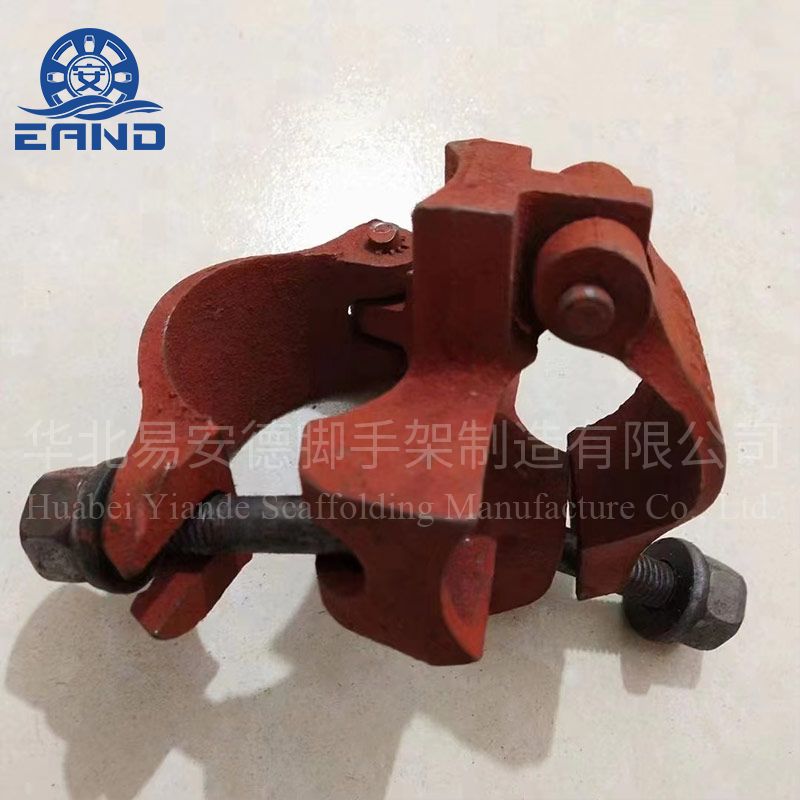
Individual connection components represent the highest theft risk on any site. Thieves target Scaffolding Fittings because they are small, heavy, and easy to sell as scrap. The most commonly stolen items include drop-forged couplers, joint pins, swivel fittings, and adjustable base jacks. These items fit easily into backpacks or the trunks of standard vehicles.
You must implement strict operational frameworks to track these loose items. Utilize secure, lockable on-site steel storage bins for all unused fittings. Site supervisors must conduct daily inventory reconciliation practices. Counting loose fittings at the end of each shift ensures immediate detection of missing inventory, allowing you to adjust security protocols before major losses occur.
Designate a single, secure storage container for all loose fittings.
Assign a dedicated quartermaster or site supervisor to manage the keys to this container.
Require subcontractors to sign out specific quantities of fittings at the start of the shift.
Mandate the return and recounting of all unused fittings before the site closes.
Weld the storage container to a permanent site fixture or weigh it down with concrete blocks to prevent the entire box from being stolen.
Site managers must navigate conceptual trade-offs when allocating security budgets. You must balance the need for absolute access denial against daily operational realities. Over-securing a site can paralyze your workforce, while under-securing it invites devastating losses.
Advanced scaffold alarm systems and remote CCTV monitoring require initial capital expenditure. However, you must compare this outlay against historical loss data. Calculate the cost of replacing stolen scaffolding fittings, repairing structural damage, and managing project delivery delays. The financial impact of a single major theft often exceeds the cost of a comprehensive security lease for the entire project duration.
Consider the hidden costs of a breach. If a thief damages a load-bearing standard while trying to remove a ledger, you must bring in an engineer to recertify the structure. This process takes days. The labor costs of an idle crew waiting for recertification dwarf the rental cost of a wireless alarm system. View security not as an overhead expense, but as an insurance policy against schedule destruction.
Physical security measures introduce daily operational friction. Site managers must account for the labor time required to lock and unlock retractable ladders every morning and evening. Installing ladder guards and securing materials takes time away from active construction tasks. If a process takes too long, workers will inevitably find ways to bypass it, rendering the security measure useless.
Strict physical access controls also impact subcontractor workflows. Shift handovers require careful key management and access coordination. You must evaluate how these security protocols affect site efficiency. Streamlining the locking process with standardized equipment helps minimize this friction while maintaining a hardened perimeter. Use keyed-alike padlocks for all ladder guards so supervisors only need one key to open the site, rather than fumbling with a massive keyring.
Deploying scaffolding security in dynamic construction environments presents practical challenges. You must anticipate environmental factors and strict safety regulations. A security system that constantly triggers false alarms or traps workers during an emergency is worse than having no system at all.
False alarms quickly erode confidence in your security system. Common triggers include urban wildlife, high winds, wind-blown tarpaulins, and loose construction debris. If alarms sound constantly, site managers and monitoring stations may begin ignoring valid alerts. This "boy who cried wolf" scenario leaves your site completely vulnerable.
Implement dual-technology sensors to mitigate this risk. These sensors combine PIR (Passive Infrared) and microwave detection, requiring both technologies to trigger before sounding the alarm. Ensure proper sensor positioning. Aim detectors away from moving tarps, flapping debris netting, and public sidewalks. Routine system calibration guarantees sensors adapt to changing site conditions as the structure grows.
Vegetation management is also crucial. Trim back tree branches that might blow into the sensor's field of view during a storm. Secure all loose materials, such as empty cement bags or plastic sheeting, at the end of the day. A clean site drastically reduces the number of environmental triggers your alarm system processes.
You face a critical risk of over-securing a site to the point of violating OSHA or HSE regulations. Security measures must never trap workers on elevated platforms. You must secure scaffolding from external entry while ensuring unimpeded egress routes.
Workers must have tool-free exit paths in the event of an emergency. Do not use padlocks on primary escape ladders during active shifts. Ensure that physical hoarding does not block access to secure fall protection anchor points or emergency muster stations. Consult with safety officers to verify that all security installations align with strict fire safety compliance mandates.
If you use electronic access control gates at the base of the scaffold, they must fail-safe to an open position during a power loss or fire alarm activation. Emergency responders must be able to access the structure without cutting through heavy chains. Balance your perimeter hardening with the absolute necessity of rapid evacuation.
No single measure can secure scaffolding entirely. Success relies on a composite strategy integrating physical barriers, active alarms, and smart material choices. Base your security investments on site location, project duration, and the specific value of materials left on site. Take these immediate actions to harden your perimeter:
Conduct a site-specific vulnerability audit to identify exposed access points and blind spots.
Transition all high-risk loose fittings into heavy-duty, lockable steel storage boxes at the end of every shift.
Consult with specialized scaffold alarm vendors to deploy a dual-technology monitoring system.
Implement a mandatory daily protocol for removing or locking all ground-level ladders.
A: Yes. Specialized scaffold alarms are widely available. Modern systems use wireless, battery-operated units equipped with dual-technology motion sensors. They often feature video recording capabilities and connect to remote monitoring centers via cellular networks to alert security personnel instantly.
A: You must deny vertical access. Use heavy-duty steel ladder guards that lock over the lower rungs. Alternatively, secure retractable ladders with high-tensile cable locks. The most effective method is the physical removal of the lowest ladder section, storing it securely off-site or in a lockbox.
A: Yes. Loose couplers, swivel fittings, and base plates are high-theft items. They are small, dense, and hold significant scrap metal value. Thieves can easily conceal them in backpacks or vehicle trunks. You must store them in secure lockboxes at the end of each workday.
A: While no system is entirely theft-proof, the modular design of Ringlock acts as a strong deterrent. The interlocking rosette and wedge design requires heavy hammer strikes to dismantle. This makes the process significantly louder, slower, and more difficult compared to traditional tube and clamp systems.
A: You face severe premises liability risks. Under the "attractive nuisance" doctrine, contractors can be held legally responsible if unauthorized individuals, particularly children, climb unsecured structures and sustain injuries. You must prove you implemented reasonable physical deterrents to prevent access.
A: Older systems were prone to weather triggers. However, modern systems utilize dual-technology sensors combining PIR and microwave detection. Correct installation, positioning sensors away from flapping tarpaulins, and routine maintenance effectively mitigate false alarms caused by wind, rain, or moving debris.
A: Security must never compromise safety. Measures like hoarding or ladder locks must only restrict external, unauthorized entry. During active shifts, workers must have unimpeded, tool-free emergency egress routes. Security installations must not obstruct structural anchor points or designated safety harness tie-off spots.


