


Tel: +86-131-8042-1118
E-mail:
E-mail:
26 Huanghai Road, Leting Economic Development Zone, Hebei Province, China


Views: 0 Author: Site Editor Publish Time: 2026-06-18 Origin: Site


Move beyond the basic definition of temporary work platforms. Investing in modern access equipment stands out as a critical risk management and labor-efficiency decision for industrial projects. Traditional tube-and-fitting setups have long dominated older construction jobs. However, the commercial sector now heavily shifts toward engineered modular solutions. They offer unmatched reliability and speed. The true purpose of a well-engineered scaffolding system is entirely straightforward. It guarantees strict regulatory compliance across the site. It maximizes everyday workforce productivity dynamically. It also ensures predictable load-bearing performance in high-stakes environments. We will explore how proper equipment selection directly mitigates severe safety risks. You will learn the practical differences between outdated methods and modern frameworks. We will also examine specific structural components driving site efficiency. Ultimately, you will discover how these robust systems turn unpredictable access problems into engineered, manageable, and highly safe processes.
The primary purpose is triad-based: uncompromised worker safety, optimal site accessibility, and structural support for heavy materials.
Transitioning to a modular Scaffolding System reduces labor costs and erection time compared to traditional methods.
The Ringlock Scaffolding System has emerged as the standard for complex geometries due to its 360-degree node connection and high load capacity.
Evaluating a system requires looking past upfront material costs to assess lifecycle durability, compliance certifications, and modular adaptability.
Why do industrial operators invest heavily in access structures? The answer goes far beyond achieving basic vertical reach. A standardized framework fundamentally serves as a sophisticated risk management tool. Catastrophic structural failures rarely happen without clear warning. They usually stem from poor initial equipment choices. Standardized frameworks minimize these catastrophic failure risks aggressively. When workers step onto elevated platforms, they trust their lives entirely to the structure below. This reality requires strict adherence to demanding OSHA regulations. It also demands ongoing compliance from local safety boards. You simply cannot afford guesswork during high-altitude assembly. A highly engineered setup keeps site managers fully compliant. It actively protects working crews from devastating falls.
Furthermore, stable walking platforms directly impact overall worker speed. They boost psychological confidence significantly. Shaky, unpredictable walking surfaces slow down movement dramatically. Crews hesitate before lifting heavy tools or materials. Conversely, secure walkways allow teams to operate efficiently. Faster erection times actively reduce your overall labor overhead. Dismantling processes happen quickly and predictably. You get specialized teams moving to the next critical task faster. This translates into tighter project schedules and improved site logistics.
We must carefully differentiate between light-duty access and heavy-duty shoring. Light-duty setups typically hold personnel and basic hand tools. Heavy-duty structures bear massive dynamic loads. They easily support wet masonry blocks or heavy lifting machinery. Your specific project scope dictates the required weight capacity. Misjudging this baseline requirement leads to localized structural collapse. Planners must assess these exact loads early in the project lifecycle. Choosing the correct capacity ensures both safety and operational success.
Let us evaluate traditional construction methods against modern structural alternatives. The classic tube and clamp method carries obvious operational limitations today. It relies heavily on highly specialized, expensive labor skills. Workers must measure, align, and secure each separate fitting manually. This manual process leads directly to slower overall assembly times. It also sharply increases the risk of dangerous human error. Connection torque remains a constant daily worry. If a singular clamp lacks proper tightening, the entire local structure weakens. Safety inspectors spend countless manual hours checking individual steel bolts.
Modular designs offer distinct, undeniable project advantages. Prefabricated system components ensure incredibly consistent manufacturing quality. They provide highly predictable load ratings across the entire building envelope. Built-in safety features change the safety landscape entirely. Captive wedges and fixed node connection intervals remove daily guesswork. They significantly reduce visual inspection failures. A reliable Scaffolding System turns a manual craft into a heavily engineered, repeatable process.
How do you evaluate these complex options effectively? You must use specific, rigorous shortlisting criteria. Look closely at the specific node design first. Assess the overall galvanization quality for long-term weather resistance. Check cross-compatibility among different structural parts carefully.
Evaluation Criteria | Traditional Tube & Clamp | Engineered Modular Systems |
|---|---|---|
Erection Speed | Extremely slow; requires constant manual measuring. | Very fast; utilizes fixed connection intervals. |
Labor Skill Required | High; demands experienced scaffold builders. | Moderate; intuitive assembly reduces training time. |
Human Error Risk | High; heavily dependent on manual bolt torque. | Low; captive wedges lock securely into place. |
Load Predictability | Variable; depends entirely on installer skill. | Highly predictable; backed by standardized testing. |
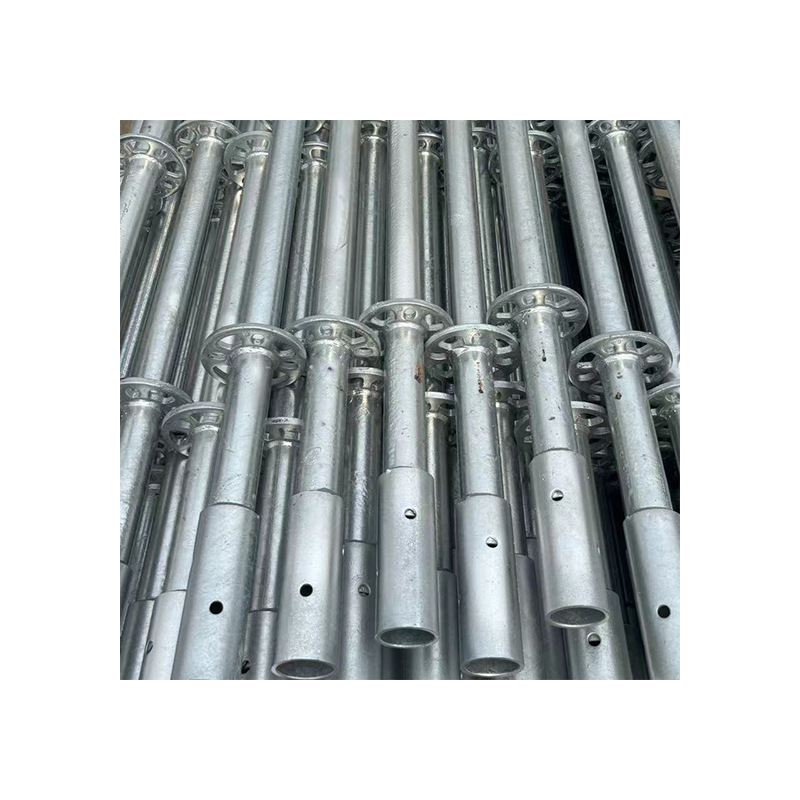
Complex building facades present uniquely difficult access hurdles. Industrial facilities demand highly flexible geometric solutions. The robust Ringlock Scaffolding System solves these complex project demands perfectly. It adapts to virtually any challenging architectural shape effortlessly.
First, consider the intricate engineering behind the structural node. The integrated rosette design allows up to eight independent connections simultaneously. You can attach horizontal ledgers at various angles seamlessly. This specific geometry proves crucial for circular building structures. It wraps tightly around industrial cooling towers. It handles intricate masonry facades with remarkable ease. You avoid leaving dangerous gaps between the platform and the work surface.
Next, we examine internal load distribution mechanics. Concentric loading forces energy straight down the vertical standard. It prevents dangerous twisting under incredibly heavy weight. It stops steel bending near the base plates completely. This superior capability outshines older connection methods easily. It creates a rigid, unyielding spine for the entire framework.
Finally, consider the long-term structural durability. Hot-dip galvanized metal components withstand incredibly harsh environments. Corrosive offshore oil rigs demand this exact durability level. Chemical plants eat through standard painted steel quickly. Better corrosion resistance translates to higher safety margins and better lifecycle value.
Every single part plays a critical role in site safety. They work together synergistically to transfer heavy loads securely. Understanding these individual elements helps you plan better structural layouts.
Standards (Verticals) and Base Plates
Standards serve as the primary vertical support pillars. They form the sheer foundation of vertical load transfer down to the ground. Base plates sit directly below them to spread out the weight. Adjustable base jacks handle uneven ground terrain effortlessly. They ensure the entire frame remains perfectly level. A level base prevents dangerous structural leaning.
Ledgers (Horizontals) and Transoms
Ledgers act as sturdy horizontal supports between standards. Transoms span across them horizontally to hold the walking surface. Together, they create the rigid framework necessary for heavy platform support. Rigid locking wedge mechanisms prevent dangerous side-to-side sway effectively.
Diagonal Braces
Diagonal braces form the true core key to lateral stability. They provide essential wind-load resistance during bad weather. Without them, the entire structure risks catastrophic collapse during heavy storms. They lock the vertical and horizontal planes together tightly.
Decks, Planks, and Toe Boards
Decks form the direct physical interface for working crews. Solid metal or wood planks ensure safe, slip-free movement. Toe boards wrap securely around the outer platform edges. They prevent loose hand tools from dropping onto personnel walking below.
Purchasing access equipment involves significant, real-world procurement realities. You must actively avoid the dangerous counterfeit equipment trap. Mixing incompatible parts from different makers creates hidden structural flaws. Sourcing low-grade, untested steel components invites immediate job site disaster. Always demand certified material test reports (MTRs) before purchasing anything. These documents verify the exact chemical grade of your steel components. They prove the metal can handle the promised weight ratings.
Buying hardware remains only half the total safety solution. Project-specific engineered stamped drawings are absolutely necessary before assembly begins. They map out complex industrial builds safely and accurately. They ensure you fulfill the equipment's intended purpose properly. You must avoid overloading specific rosettes or individual base plates. An engineer calculates these complex load paths for you.
Modular setups definitely improve daily site safety across the board. However, they still require rigorous, highly documented visual inspections. Crews must conduct thorough pre-use and post-weather checks systematically. The ongoing inspection overhead remains quite high for safety managers. Fortunately, emerging technological alternatives help bridge this gap rapidly. Drone visual inspections easily scan hard-to-reach tower areas. They look for missing steel wedges or bent diagonal braces safely from the ground.
Request updated MTRs directly from the primary manufacturer.
Never mix metric and imperial component standards on the same build.
Commission project-specific engineering drawings for structures exceeding standard heights.
Verify the exact zinc thickness of the hot-dip galvanization process.
Let us wrap up our comprehensive structural evaluation. The main operational purpose of these robust frameworks remains incredibly clear. They turn unpredictable, dangerous access challenges into highly manageable, engineered operational processes. They prioritize human safety above all other project metrics.
We strongly recommend the following immediate next steps:
Audit your current site labor expenses and assembly times thoroughly.
Track your recent safety incident rates closely to identify weak points.
Determine if upgrading to a modernized modular setup makes structural sense.
Always encourage consulting directly with an access engineering specialist. They can accurately model the exact structural requirements for your next major project. Proper upfront planning guarantees excellent, safe field execution every single time.
A: A scaffolding system utilizes prefabricated modular connections rather than manual clamps. Traditional methods require workers to measure and tighten individual couplers manually. System setups use fixed connection points and captive wedges. This standardization significantly increases erection speed while drastically reducing the risk of human error during assembly.
A: You must thoroughly evaluate your specific load-class requirements first. Consider environmental conditions like high winds or corrosive chemical exposure. Choose a system that explicitly offers engineered shoring capabilities. Verify that the manufacturer provides certified material test reports to guarantee the steel's structural yield strength.
A: It utilizes a highly secure locked-wedge mechanism built directly into a central rosette. This specific design eliminates the severe risk of loose manual fittings entirely. Hammering the wedge into place provides immediate, unyielding structural rigidity. The concentric load distribution also prevents vertical standards from bending under extreme weight.
A: Beyond upfront material pricing, buyers face significant logistics and storage expenses. You must also account for specialized training hours for your erection crews. Furthermore, strict regulatory standards mandate ongoing maintenance and frequent, documented inspection requirements to keep the equipment fully compliant over time.


