


Tel: +86-131-8042-1118
E-mail:
E-mail:
26 Huanghai Road, Leting Economic Development Zone, Hebei Province, China


Views: 0 Author: Site Editor Publish Time: 2026-04-16 Origin: Site


Scaffolding brackets are essential components in construction projects, serving as critical fittings that connect and support various scaffolding systems. They are designed to provide additional stability and strength to the scaffold structure, ensuring that it remains secure and functional during construction, maintenance, or repair work. Brackets enhance the accessibility of scaffolds by allowing them to extend or adjust, enabling workers to reach higher or otherwise difficult-to-access areas safely. By distributing the load evenly and providing structural support, scaffolding brackets reduce the risk of scaffold collapse and ensure the safety of workers. Their role in maintaining proper alignment and balance makes them indispensable for any scaffolding system, contributing significantly to both efficiency and safety on construction sites.
Fixed brackets are permanent solutions typically used in scaffolding systems where the height and configuration are not subject to change. These brackets provide a stable and secure connection between the scaffold components, offering a high level of durability. Fixed brackets are ideal for scaffolding structures that require long-term stability, such as in construction projects that last for several months or even years. They are commonly used in large-scale construction projects, where the scaffolding needs to support significant loads and remain intact over extended periods. Their reliability and strength make them an essential part of scaffolding in complex and demanding environments.
Adjustable brackets are versatile and can be modified to accommodate various height requirements, making them ideal for scaffolding systems that need to be adjusted frequently. These brackets offer flexibility in different construction or maintenance settings, allowing workers to set the scaffold at the appropriate height for tasks. Adjustable brackets are particularly useful when working on uneven surfaces or when the height of the scaffold needs to be altered to access different parts of a building. They are perfect for projects that involve regular changes in scaffold height, such as maintenance work on high-rise buildings or façade installations, providing easy adjustment to meet changing site conditions.
Cantilever brackets extend the scaffolding system to reach areas that are otherwise difficult or impossible to access. These brackets are designed to support scaffolding that extends beyond the edge of a building or structure, providing support and stability while reaching out to areas like windows, ledges, or facades. Cantilever brackets are crucial for projects that require access to hard-to-reach zones or when there is no available ground support for the scaffolding. These brackets are commonly used in narrow urban environments, historical restorations, and complex architectural structures where traditional scaffolding systems cannot provide access. By allowing scaffolding to extend beyond obstacles, cantilever brackets offer greater flexibility and reach in challenging projects.
It’s crucial to choose scaffolding brackets that can support the weight of workers, tools, and materials used on the scaffold. Each bracket has a specific load-bearing capacity, and it’s essential to match the bracket with the load requirements of the project. Using a bracket with insufficient load-bearing capacity can lead to instability, posing a risk to both workers and the integrity of the scaffolding structure.
The nature of the project will determine the type of scaffolding bracket required. For instance, a new construction project may require more robust, permanent fixed brackets, while renovation or repair work might need adjustable or cantilever brackets for flexibility and access. Choosing the right bracket based on the specific needs of the project ensures both safety and efficiency.
Different scaffolding brackets are designed to accommodate specific height and reach requirements. When selecting brackets, consider the height of the structure being worked on and the extent to which the scaffolding needs to extend. Adjustable brackets are ideal for varying heights, while cantilever brackets are necessary for reaching areas that would otherwise be inaccessible. It’s important to match the bracket’s capabilities with the specific needs of the scaffold system.
The environment in which the scaffolding system will be used plays a significant role in choosing the right bracket. Consider the weather conditions (e.g., exposure to rain, wind, or saltwater) that might affect the durability of the brackets. Material choices, such as galvanized steel or aluminum, should be selected for their resistance to corrosion and ability to withstand environmental factors, ensuring the longevity of the scaffolding system in challenging conditions.
To ensure maximum stability, scaffolding brackets should be installed according to the manufacturer’s instructions and industry safety standards. Begin by confirming that the base of the scaffold is level and secure before positioning the brackets. When installing fixed brackets, make sure they are tightly secured to prevent any movement. For adjustable brackets, verify that they are set at the desired height and locked in place to avoid any accidental adjustments during use. Additionally, all cantilever brackets should be installed with proper support to prevent overhanging loads that could cause tipping or instability.
Regular inspection and maintenance are crucial to ensuring scaffolding brackets remain in safe working condition. Inspect all brackets for signs of wear, corrosion, or damage at least every few weeks or after heavy use. Clean the brackets regularly to remove dirt, debris, and any build-up of corrosive materials such as salt or chemicals. Lubricate any moving parts in adjustable brackets to ensure smooth operation and prevent rust. If any brackets show signs of cracking, bending, or severe wear, they should be replaced immediately to maintain the integrity and safety of the scaffolding system. Store unused brackets in a dry, protected area to prevent environmental damage.
In addition to proper installation and regular maintenance, safety should always be a priority when using scaffolding brackets. Ensure that workers are trained in scaffold assembly and disassembly, especially in the handling of adjustable and cantilever brackets. Always check for any loose fittings or signs of instability before allowing workers to use the scaffold. Using fall protection systems, such as guardrails and safety nets, alongside properly installed scaffolding brackets, can significantly reduce the risk of accidents. Furthermore, during use, avoid overloading scaffolds or placing excessive weight on the brackets to prevent structural failure.
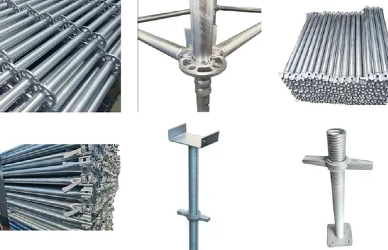
One of the most critical factors when choosing scaffolding brackets is the load-bearing capacity. Failing to check the weight limits can lead to scaffold instability, increasing the risk of accidents and structural failure. Always ensure that the brackets you select are capable of supporting the weight of workers, tools, materials, and any additional loads that may be placed on the scaffold. Consulting the manufacturer’s specifications is essential for choosing the correct bracket.
Another common mistake is failing to ensure compatibility between the brackets and the scaffold system. Scaffolding brackets come in various sizes and types, so selecting the wrong type can result in poor connections, unstable scaffolding, and potential accidents. Before making a selection, ensure that the brackets fit the scaffold tubes and components properly, and always match the bracket type (fixed, adjustable, or cantilever) to the specific needs of the project.
Choosing scaffolding brackets without considering the environmental conditions can drastically reduce their lifespan and effectiveness. For example, using brackets made of steel in a coastal area where saltwater exposure is common can lead to rapid corrosion. Similarly, extreme temperatures or heavy rainfall can affect the durability of materials. Be sure to choose brackets made from corrosion-resistant materials (e.g., galvanized steel or aluminum) when working in harsh environmental conditions, and always ensure that the material is suitable for the specific weather and site conditions to prevent premature damage.
The main types include fixed brackets, adjustable brackets, and cantilever brackets, each suited for different construction needs and scaffold configurations.
Load-bearing capacity is determined by the material strength of the bracket and the expected load of workers, tools, and materials. Always check the manufacturer's specifications.
Adjustable brackets are more versatile and can be modified to accommodate different scaffold heights and configurations, while fixed brackets provide permanent solutions for certain projects.
Regularly inspect brackets for signs of wear, rust, or damage. Clean and lubricate moving parts, and replace any worn-out components to ensure safety and efficiency.
In conclusion, selecting the right scaffolding bracket is crucial for ensuring the stability, safety, and efficiency of your scaffolding system. Key factors to consider include the type of bracket (fixed, adjustable, or cantilever), the load-bearing capacity, and the compatibility with your scaffold setup. Additionally, factors such as the project requirements, environmental conditions, and the necessary height and reach must be considered when choosing the appropriate bracket. Proper installation and ongoing maintenance are also vital to ensure the long-term safety and functionality of the brackets. By carefully selecting the right scaffolding brackets, you can prevent accidents, enhance work efficiency, and provide a secure working environment for all involved. Huabei Yiande Scaffolding Manufacture Co., Ltd. is committed to providing high-quality scaffolding solutions to meet your project’s needs. Make the right choice today to ensure your project’s success and the safety of your workers.


