


Tel: +86-131-8042-1118
E-mail:
E-mail:
26 Huanghai Road, Leting Economic Development Zone, Hebei Province, China


Cutting steel pipe is a fundamental process in construction, scaffolding manufacturing, plumbing, mechanical engineering, metal fabrication, and industrial production. Whether for structural support, scaffolding systems, pipelines, frames, or custom metal components, steel pipes must be cut with accuracy, consistency, and proper safety measures. The right cutting method ensures clean edges, precise dimensions, and strong weld joints while preventing deformation or structural damage.
Because steel pipe comes in many thicknesses, diameters, grades, and coatings—from galvanized steel pipe to seamless steel pipe and thick-wall pipes—choosing the correct cutting technique is essential. Each cutting tool has its own advantages, from portable pipe cutters to industrial-grade band saws, plasma cutters, or CNC cutting equipment.
This comprehensive guide explains how to cut steel pipe correctly, the types of cutting tools available, preparation steps, safety requirements, technical considerations, and recommended methods for different pipe sizes and applications. It also includes tables summarizing cutting tools and their uses, making it easier to choose the best solution for each project.
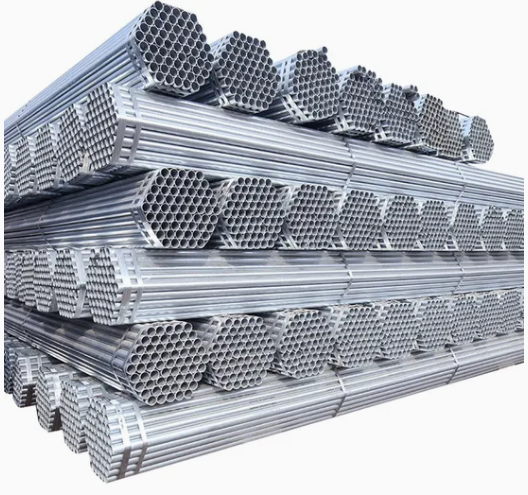
Before cutting steel pipe, it is essential to understand the type of pipe being processed. Different pipes may require different cutting approaches depending on their material strength, thickness, hardness, or surface treatment.
Carbon steel pipe
Galvanized steel pipe
Seamless steel pipe
Welded steel pipe
Alloy steel pipe
Structural steel pipe
Scaffolding steel pipe (Q235/Q345)
The cutting method chosen should match the hardness and thickness. For example, galvanized steel pipe requires careful handling to avoid damaging the protective zinc coating, while thick-wall seamless steel pipe may require higher cutting power or heat-based cutting.
Cutting steel pipe safely and accurately requires careful preparation.
Use a steel measuring tape, pipe wrap, or marker to create a clear, straight cutting line. Wrap-around tools or pipe marking bands help ensure a perfectly perpendicular cut.
The pipe should be clamped firmly using a vise or pipe stand. Stability prevents vibration, improves accuracy, and reduces the risk of injury.
Tool selection depends on pipe thickness, diameter, and production volume.
Always wear:
Gloves
Safety goggles
Noise protection
Long-sleeved clothing
Face shield when necessary
Below is a table summarizing major tools used for cutting steel pipe and their typical applications.
| Cutting Tool | Suitable Pipe Type | Cutting Quality | Speed | Notes |
|---|---|---|---|---|
| Hacksaw | Thin-wall steel pipe | Medium | Slow | Low cost, manual use |
| Pipe Cutter (roller type) | Small diameter pipe | High | Medium | Clean, square cuts |
| Angle Grinder | All steel pipe types | Medium–High | Fast | Requires steady hands |
| Band Saw | Large or thick pipes | Very High | Fast | Best for industrial use |
| Chop Saw | Medium–thick steel pipe | High | Fast | Precise with right blade |
| Oxy-Acetylene Torch | Thick/heavy pipe | Medium | Fast | Heat may deform edges |
| Plasma Cutter | All steel pipes | Very High | Very Fast | Smooth edges, accurate |
| CNC Cutting Machine | All pipes | Excellent | High | Best for mass production |
Different tools require different cutting processes. Below is a detailed explanation of how to cut steel pipe using the most commonly used methods.
A hacksaw is a simple and low-cost tool, ideal for small jobs or thin-wall pipes.
Mark the cutting line.
Secure the pipe in a vise.
Use slow, even strokes.
Keep the blade perpendicular to the pipe.
Finish the edges with a file.
Thin-wall carbon steel pipes
Light-duty cutting
Small home repairs
Hacksaws are not suitable for large-diameter or thick-wall steel pipe due to manual effort and potential for uneven cuts.
Roller pipe cutters are ideal for achieving smooth, square cuts.
Place the pipe cutter on the pipe.
Tighten the tool slowly.
Rotate around the pipe.
Tighten gradually until the pipe is severed.
Clean, burr-free cuts
Perfectly straight edges
No heat needed
Not suitable for thick or large diameter pipes
Requires multiple rotations
Angle grinders are versatile and commonly used in construction and scaffolding pipe processing.
Mark and secure the pipe.
Install a metal cutting disc.
Start the grinder and cut along the marked line.
Maintain steady, controlled motion.
Smooth edges with a flap disc if needed.
Fast cutting speed
Works for almost all steel pipe sizes
Easy to operate
Produces sparks
Not suitable for precision machining
Requires steady handling to avoid miscuts
Band saws—manual or automatic—are the preferred method in industrial settings and scaffolding manufacturing.
Secure the pipe on the band saw table.
Set feed rate and blade tension.
Let the machine perform the cut.
Monitor the blade to avoid overheating.
Smooth, uniform cuts
High accuracy
Good for mass production
Steel pipe factories
Scaffolding steel pipe cutting
Large diameter and thick-wall pipes
A chop saw with abrasive disc is fast and accurate.
Position the pipe under the clamp.
Lower the blade gently.
Cut through with stable pressure.
Consistent accuracy
Suitable for medium-thick pipe
Good cutting speed
Chop saws are often used in construction workshops and scaffolding processing lines.
This flame-based cutting method is suitable for thick steel pipes.
Preheat the steel pipe.
Engage the oxygen jet to perform the cut.
Move steadily along the line.
Handles thick pipe effortlessly
Fast cutting
Heat may deform the pipe
Edge cleanup required
Not suitable for precision projects
Plasma cutting is highly efficient and works for both thin and thick steel pipes.
Connect plasma cutter to air compressor.
Secure the pipe.
Hold torch 2–3 mm above the surface.
Cut slowly and consistently.
Smooth, accurate cuts
Very fast
Works for any steel pipe thickness
Minimal heat deformation
Plasma cutting is ideal for workshops, industrial metal fabrication, and stainless steel pipe processing.
For mass production or high precision needs, CNC cutting machines are widely used in steel pipe manufacturing, scaffolding production, and precision metalworks.
Automated feeding and rotation
Laser, plasma, or blade cutting
Perfect repeatability
Zero human error
Large-volume pipe cutting
Scaffolding steel pipe manufacturing
Complex pipe shapes or beveled cuts
| Pipe Diameter | Wall Thickness | Recommended Cutting Method | Notes |
|---|---|---|---|
| < 1 inch | Thin | Pipe Cutter / Hacksaw | Clean edges, no heat |
| 1–3 inches | Medium | Angle Grinder / Chop Saw | Most common in construction |
| 3–8 inches | Thick | Band Saw | High accuracy |
| 8+ inches | Heavy | Oxy-Acetylene or Plasma | Rapid and efficient |
| Any size | Any | CNC Cutting | Best precision and mass production |
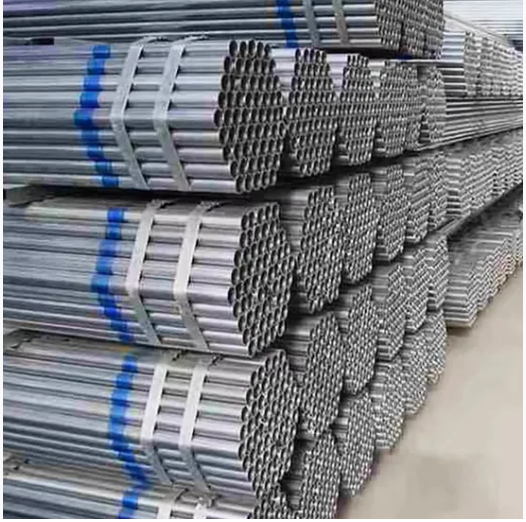
Remove sharp edges using:
File
Grinder
Sanding disc
Deburring ensures better weld quality and safe handling.
Clean the pipe surface with a brush or degreaser, especially before welding.
Check the pipe for:
Straightness
Accuracy of length
Smoothness of cut edges
Structural soundness
Always use protective gear
Keep flammables away
Secure pipes firmly
Allow hot pipes to cool
Maintain equipment regularly
Keep workspace ventilated
Safety is always the priority when cutting steel pipe due to sparks, noise, and sharp metal edges.
Cutting steel pipe requires choosing the right method based on pipe material, thickness, and the precision required. From simple hand tools to advanced CNC machines, each cutting method offers unique advantages. Whether in construction, scaffolding manufacturing, plumbing, or metal fabrication, understanding these techniques ensures clean, accurate, and safe cuts every time.
Knowing how to measure, mark, secure, cut, deburr, and inspect steel pipes improves work efficiency, reduces errors, and ensures high-quality results for any application.
1. What is the easiest way to cut steel pipe?
For small-diameter pipes, a pipe cutter or angle grinder is the easiest and fastest option.
2. Can I cut steel pipe with a hacksaw?
Yes, but it is recommended only for thin-wall pipes and small jobs due to slower cutting speed.
3. What is the best method for cutting thick steel pipe?
A band saw, plasma cutter, or oxy-acetylene torch is ideal for thick or large pipes.
4. Do I need to deburr steel pipe after cutting?
Yes. Deburring removes sharp edges and improves welding, assembly, and safety.
5. Does plasma cutting damage steel pipe?
No, plasma cutting produces minimal heat distortion and is considered one of the cleanest cutting methods.


