


Tel: +86-131-8042-1118
E-mail:
E-mail:
26 Huanghai Road, Leting Economic Development Zone, Hebei Province, China


Views: 0 Author: Site Editor Publish Time: 2026-04-27 Origin: Site


Scaffolding is an essential element in construction, providing workers with safe access to elevated areas and supporting heavy materials. As the construction industry evolves, different scaffolding systems are developed to meet specific project needs. Two of the most popular scaffolding systems today are Ringlock scaffolding and Cuplock scaffolding. Both offer distinct features that cater to different types of construction projects, but choosing the right system can make a significant difference in the efficiency, safety, and overall cost of a project.
In this article, we will compare Ringlock and Cuplock scaffolding, focusing on their core features, advantages, disadvantages, and how to choose the right system for your project.
The connection mechanism is one of the most fundamental differences between Ringlock and Cuplock scaffolding.
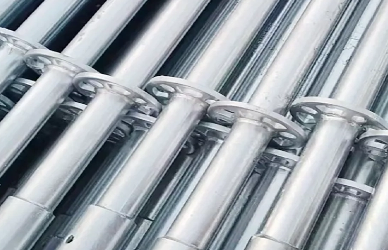
· Ringlock Scaffolding uses a pin-and-lock system, which allows each component of the scaffold to be connected securely with a simple yet reliable locking pin mechanism. This ensures that all components stay tightly connected, offering a higher level of stability and flexibility in assembly. Ringlock scaffolding is known for its precision in aligning the components and its ability to create stronger, more stable scaffolding systems.
· Cuplock Scaffolding, on the other hand, uses a cup-and-rod system, where the vertical pipes are secured to horizontal pipes using cup-shaped connectors. The cups are pressed tightly to lock the components in place, offering a simple connection mechanism. While reliable, this system can sometimes result in slower assembly times due to the more manual effort required in locking the components.
Both Ringlock and Cuplock scaffolding systems are modular, meaning they consist of individual components that can be assembled to meet various project requirements. However, the modularity of the two systems differs:
· Ringlock Scaffolding is more flexible and versatile, allowing construction teams to build scaffolds that suit a variety of shapes and sizes. The design allows for quick adjustments, making it ideal for projects that require frequent changes in scaffold height or configuration. Its modularity is also one of the reasons why Ringlock scaffolding is preferred in high-rise construction and complex structural projects.
· Cuplock Scaffolding, while also modular, has less flexibility than Ringlock. It works well for straightforward construction projects where the scaffold structure is relatively simple and doesn't require frequent adjustments. Cuplock scaffolding is highly reliable but lacks the versatility of Ringlock when it comes to complex or multi-level scaffolding setups.
Stability and strength are crucial factors in choosing a scaffolding system, particularly for projects at significant heights or involving heavy loads.
· Ringlock Scaffolding is known for its superior stability and strength. The pin-and-lock system ensures that all components are securely connected, and the scaffold structure remains rigid and stable. Ringlock scaffolding systems can handle heavier loads and are often used in large-scale commercial projects, high-rise buildings, and complex industrial sites.
· Cuplock Scaffolding is also strong and reliable but generally offers lesser stability than Ringlock. While Cuplock is excellent for residential or smaller-scale projects, it may not provide the same level of support and stability as Ringlock in situations where the scaffold is subjected to higher loads or more dynamic environments.
Ease of use is an important consideration for construction teams looking to minimize labor costs and reduce the time spent on scaffold setup and removal.
· Ringlock Scaffolding is known for its quick assembly and easy disassembly. The pin-and-lock system allows construction teams to assemble the scaffold faster, reducing labor costs and increasing productivity on the job site. The system’s modularity also makes it easy to modify the scaffold as needed.
· Cuplock Scaffolding, while still fairly easy to use, requires a bit more time for assembly due to the cup-and-rod connection system. Workers need to ensure that each cup is correctly placed and tightened, which can slow down the process. Additionally, Cuplock scaffolding is often heavier, requiring more manual handling.
Feature | Advantage |
Quick Assembly | Saves time on installation and disassembly. |
Strong Stability | Secure pin-and-lock system for reliable support. |
Versatile | Adaptable to various project types and configurations. |
Durable | Long-lasting materials that can be reused. |
Safety | Meets high safety standards, providing secure platforms. |
Ringlock scaffolding excels in projects that demand quick installation and reliable stability. Its modular design allows construction teams to quickly adapt to changing project requirements. The pin-and-lock mechanism ensures a secure connection between components, reducing the chances of scaffold failure. The durability of the system makes it a cost-effective long-term investment, as components can be reused for multiple projects.
Feature | Disadvantage |
Higher Initial Cost | More expensive than Cuplock scaffolding. |
Complexity in Setup | Slightly more complex than Cuplock in some configurations. |
Weight | Heavier components may require more labor to handle. |
Despite its many advantages, Ringlock scaffolding can be more expensive initially, which might be a concern for projects with tight budgets. Its modular system can also be more complex to set up in certain configurations, requiring a bit more expertise and time than Cuplock scaffolding.
Feature | Advantage |
Cost-Effective | Lower initial cost compared to Ringlock. |
Simplicity | Easy to use for straightforward projects. |
Strong Connection | Reliable and secure cup-and-rod system. |
Less Labor-Intensive | Faster for less complex installations. |
Cuplock scaffolding is a cost-effective option, offering significant savings for construction projects on a budget. The system is simple to use, making it an excellent choice for straightforward scaffolding projects that don’t require complex configurations. Cuplock’s strong connection system ensures the scaffold remains stable, providing safety for workers at lower heights or on simpler projects.
Feature | Disadvantage |
Slower Setup | Requires more time for assembly compared to Ringlock. |
Less Versatile | Less flexible in terms of scaffold design. |
Lower Load Capacity | May not be suitable for heavier-duty applications. |
While Cuplock scaffolding is simple and cost-effective, it does come with some limitations. Its slower setup time compared to Ringlock scaffolding can affect project timelines. Additionally, Cuplock is less versatile and may not be suitable for complex structures or high-rise buildings. For projects that require handling heavy loads or frequent configuration changes, Ringlock scaffolding is a better choice.
The decision between Ringlock and Cuplock scaffolding largely depends on the specific requirements of your construction project. Each system has distinct advantages, and choosing the right one can significantly impact the efficiency, cost, and safety of the project. Below, we highlight key factors to consider when making your decision.
Factor | Ringlock Scaffolding | Cuplock Scaffolding |
Project Complexity | Best for complex, multi-level structures requiring flexibility in design. | Suitable for simpler projects that don't require frequent reconfiguration. |
Budget | Higher initial cost due to more versatile components, but saves on long-term use. | More budget-friendly upfront, ideal for short-term projects. |
Duration of Use | Ideal for long-term, repeated use across multiple projects due to its durability. | Best for short-term, temporary use where scaffold setup time is a factor. |
Load Requirements | Better for heavy-duty applications, such as high-rise buildings or industrial projects. | Suitable for lighter, less complex loads typically found in residential or small-scale construction. |
When deciding which scaffolding system to choose, the complexity of the project plays a critical role. Ringlock scaffolding excels in large-scale projects that require frequent adjustments or work on multi-level structures. Its flexibility and stability make it ideal for high-rise buildings or projects with heavy load requirements, as it can accommodate complex configurations with ease.
If you're working on a budget-conscious or short-term project, Cuplock scaffolding might be a more suitable choice. Its simplicity makes it quicker to assemble, and it's more cost-effective for projects that do not demand the versatility and heavy-duty features of Ringlock. Additionally, for projects with lighter loads or those that don’t require long-term use, Cuplock offers a great solution.
Ultimately, your decision should be guided by the project’s duration, complexity, and load-bearing requirements. Consider the long-term benefits and flexibility of Ringlock if your project is large or ongoing. For smaller, short-term construction, Cuplock provides a budget-friendly and reliable alternative.
The main difference lies in the connection mechanism: Ringlock uses a pin-and-lock system, which ensures secure and stable connections between scaffold components, providing excellent strength and flexibility. In contrast, Cuplock uses a cup-and-rod system where the components are secured by pressing cups onto rods, which is simpler but may not offer the same level of flexibility or strength in more complex scaffold setups.
Ringlock scaffolding is better suited for high-rise construction due to its superior stability, flexibility, and strength. It is designed to handle the complexities of tall structures, offering a more stable and adaptable solution for the varying heights and load requirements encountered in high-rise projects.
Cuplock scaffolding is simpler and quicker to assemble for less complex projects due to its straightforward cup-and-rod connection system. However, Ringlock scaffolding offers quicker assembly for more intricate scaffolding needs, with a pin-and-lock system that allows for faster setup, particularly in larger or more complex projects where stability and strength are paramount.
Cuplock scaffolding is generally more cost-effective upfront because it uses simpler components and requires fewer tools for assembly. However, Ringlock scaffolding offers better long-term value, as it is more durable and versatile, making it a more cost-efficient solution over time for projects that require frequent setup, disassembly, and reconfiguration. Ringlock’s ability to be reused across various projects adds to its long-term cost savings.
Both Ringlock and Cuplock scaffolding have their unique benefits and can be effective depending on the scope and needs of your construction project. Ringlock scaffolding offers superior versatility, stability, and quick assembly, making it ideal for large, complex projects that require high performance and safety. Cuplock scaffolding, while more cost-effective, is better suited for simpler, short-term scaffolding applications where quick setup and lower costs are a priority.
At Huabei Yiande Scaffolding Manufacture Co., Ltd., we provide both Ringlock and Cuplock scaffolding systems to meet the diverse needs of the construction industry. Whether you’re looking for the versatility and durability of Ringlock or the cost-effectiveness and simplicity of Cuplock, we have the perfect solution for your project.


